
Cyclone Ditwah made landfall on the eastern coast of Sri Lanka on 28 November 2025, triggering extensive flooding and landslides and generating multi-sector humanitarian needs across affected districts. Early humanitarian reporting identified Batticaloa as among the districts experiencing significant impacts, with widespread disruption to housing, livelihoods and access to basic services. Administrative data from the Disaster Management Centre (DMC) indicated a rapid contraction in safety-centre sheltering following the initial shock phase. On 29 November 2025 (18:00), 17 safety centres were operational in Batticaloa, hosting 1,315 families (3,529 individuals). By 17 December 2025 (16:00), DMC records reflected no safety-centre occupancy in the district, indicating a full transition out of formal collective shelter arrangements within approximately three weeks of landfall. Qualitative reporting from local actors provides additional context on the nature of displacement and access constraints. In Vantharumoolai (Senkalady Divisional Secretariat), rising floodwaters reportedly damaged housing structures and destroyed stored food supplies, prompting affected households to seek temporary shelter in community spaces, schools and nearby safe houses. Displacement and restricted mobility were reported to have constrained access to food, potable water and essential goods, compounded by flooded internal roads and disrupted transport and market linkages. Livelihood exposure in Batticaloa remains structurally high. United Nations reporting indicates that 58,340 hectares of paddy land across Trincomalee and Batticaloa were affected by Ditwah-related flooding, underscoring the scale of agricultural impact. District-level statistics further show that 59 per cent of Grama Niladhari (GN) Divisions are engaged in crop production and 45 per cent in fisheries activities, reflecting broad economic sensitivity to flood events and coastal/lagoon dynamics. Collectively, these factors point to compounded shelter, food security and livelihood risks in the aftermath of the cyclone.
LOCAL
Sri Lanka Cyclone Ditwah: Assessment Report - Displacement Returns, Needs & Barriers - Batticaloa District (January - February 2026) - ReliefWeb

You May Also Like
View All ›
ULA’s Vulcan rocket plans return to flight with launch of 40 Leo satellites for Amazon
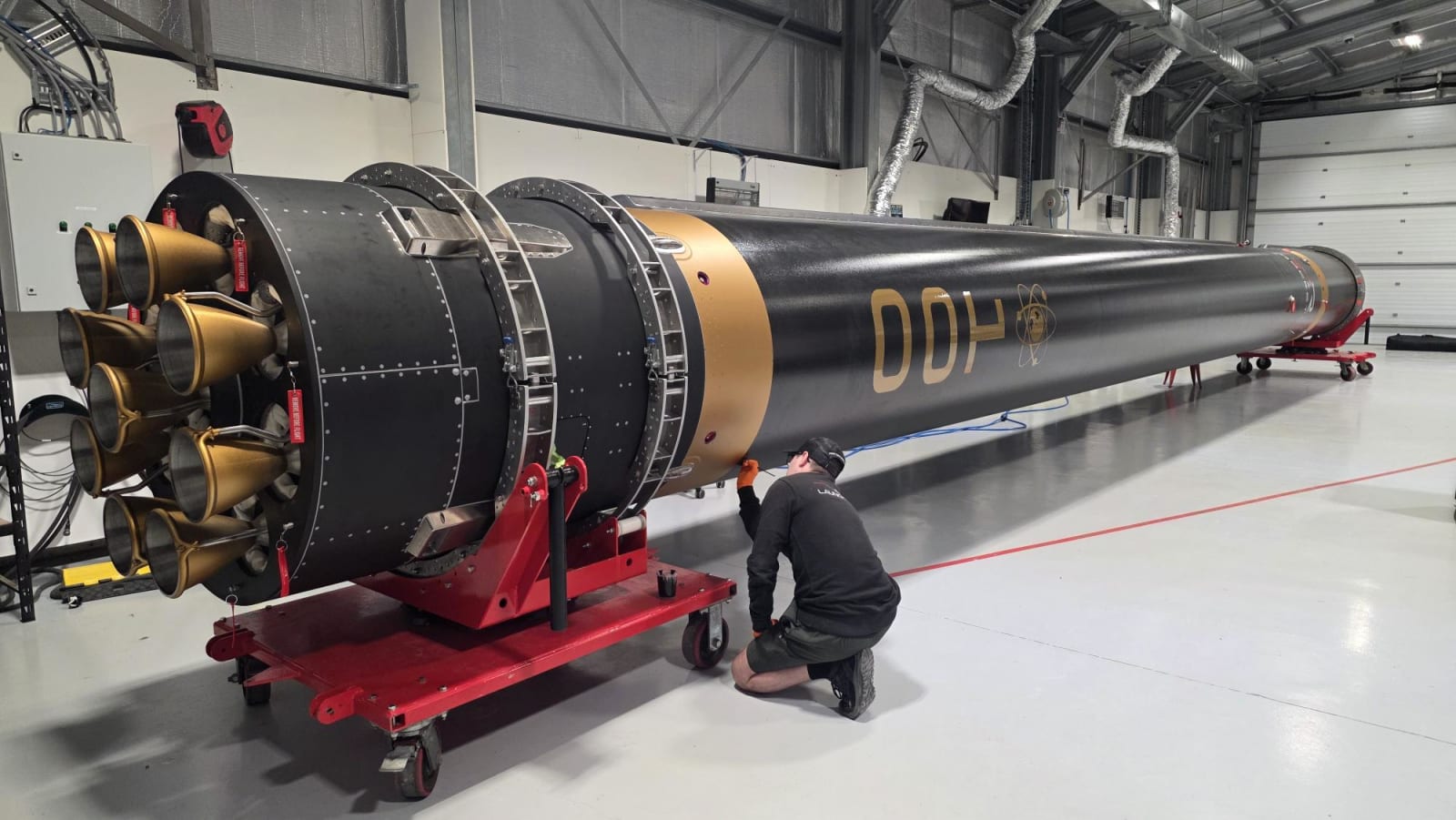
Rocket Report: Starship set for historic test flight; a century of Electron

Pakistan's gritty Shakeel again misses out on a century in drawn test against Sri Lanka - Oskaloosa Herald

Pakistan Sri Lanka Cricket - GazetteXtra
Loading comments…